
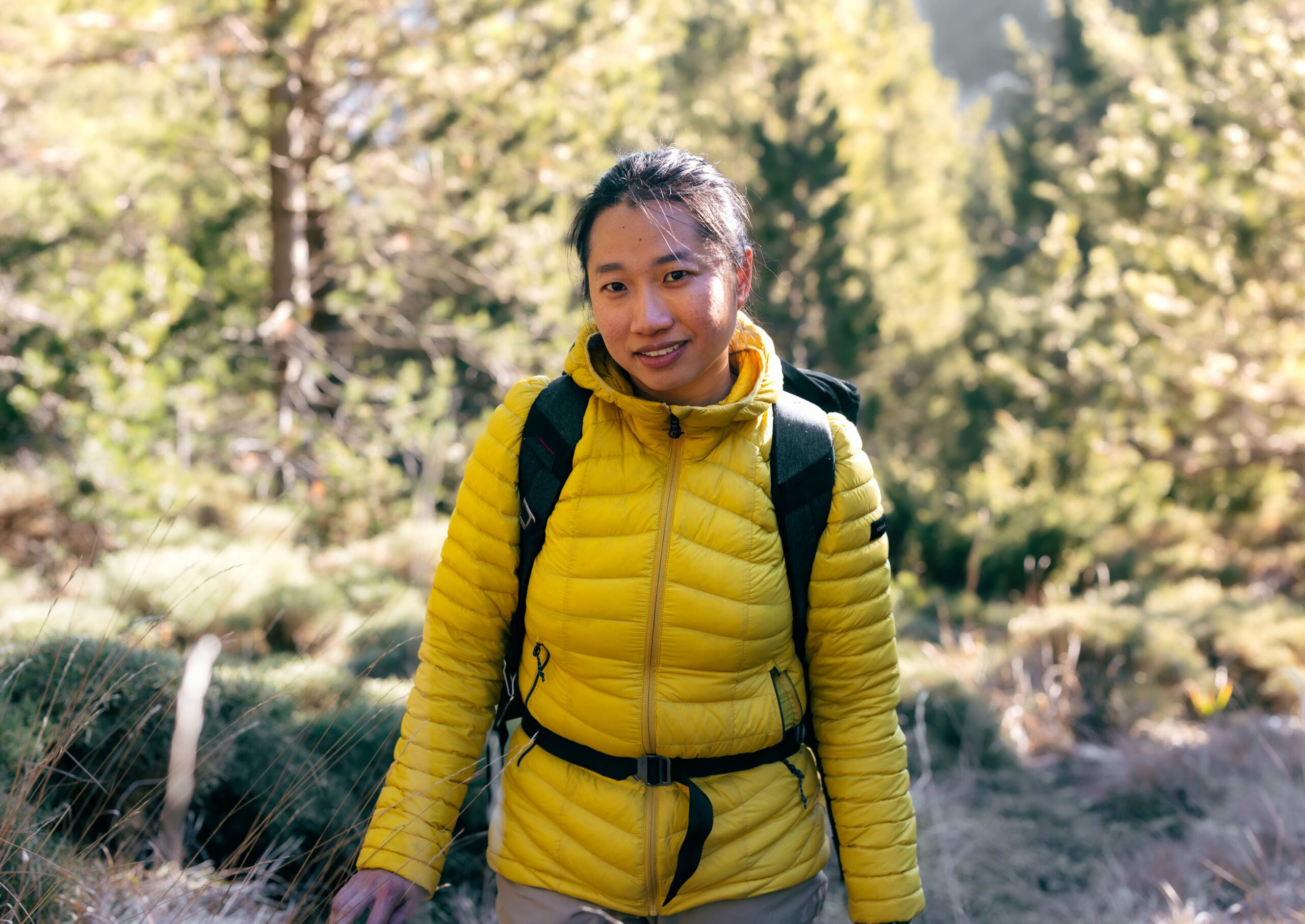
In the great outdoors, a clear sky can quickly give way to a downpour or a cold wind. Discover the criteria for choosing a hiking jacket suitable for the weather conditions, terrain, and intensity of your sporting activity.
Hiking jacket: the criteria for choosing the right one
While it can be tempting to choose it based on its color or cut, your hiking jacket cannot be reduced to just one style or trend. Choose a jacket suitable for hiking, First, you must determine the conditions under which it will be carried out.
Impermeability: for wet conditions
When the sky is unstable and precipitation is expected, an impermeable jacket becomes an indispensable item. Also known as a hardshell, it is designed to provide lasting protection against the rain. While the waterproof rating (expressed in millimeters of water column) allows you to assess the fabric’s resistance, well-sealed seams, an adjustable hood, and protected zipper closures are finishing touches to check.
How to wear it?
In summer or during the mid-seasons, the waterproof jacket is worn alone. In winter, it can be worn over an insulating layer.
Insulation: for lower temperatures
When the weather is not at its best or if you are hiking at altitude, temperatures can drop. The hiking jacket should be insulating and allow the body to retain heat. The fleece jacket remains a classic, especially because it provides warmth while remaining well-ventilated. However, for a cold-weather hike, down or synthetic fibers can also be considered for optimal thermal protection.
How to wear it?
For effective evaporation of sweat, an insulating hiking jacket can be paired with a breathable first-layer underlayer. In case of rain or wind, a waterproof jacket or windbreaker can also serve as a third layer.
How to adapt your hiking jacket to the terrain
When choosing your hiking jacket, you need to take into account the duration and intensity of the effort. In addition to weather conditions, the terrain does not necessarily place the same constraints on you.
In the mountains: protect yourself from the weather
While having a warm coat is obviously a must, in the mountains weather conditions must also be anticipated. A waterproof jacket and a windbreaker protect you from rain and snow and are an essential piece of clothing. In cold weather, they should be combined with an insulating layer.
On the trails: bet on simplicity
When the weather is dry, a simple windbreaker can be considered. It protects you from the wind, but when precipitation is expected, an impermeable jacket is preferable. Simple and lightweight, it is easy to store and easy to carry.
To choose the right hiking jacket, adapt it to the weather conditions and the nature of the terrain you are going to cover. The intensity of the effort and exposure to wind are just as important as the temperatures or the duration of your hike. To make the most of your nature outing, you can rely on a model that is easy to combine with the other layers and thus gain in versatility.