
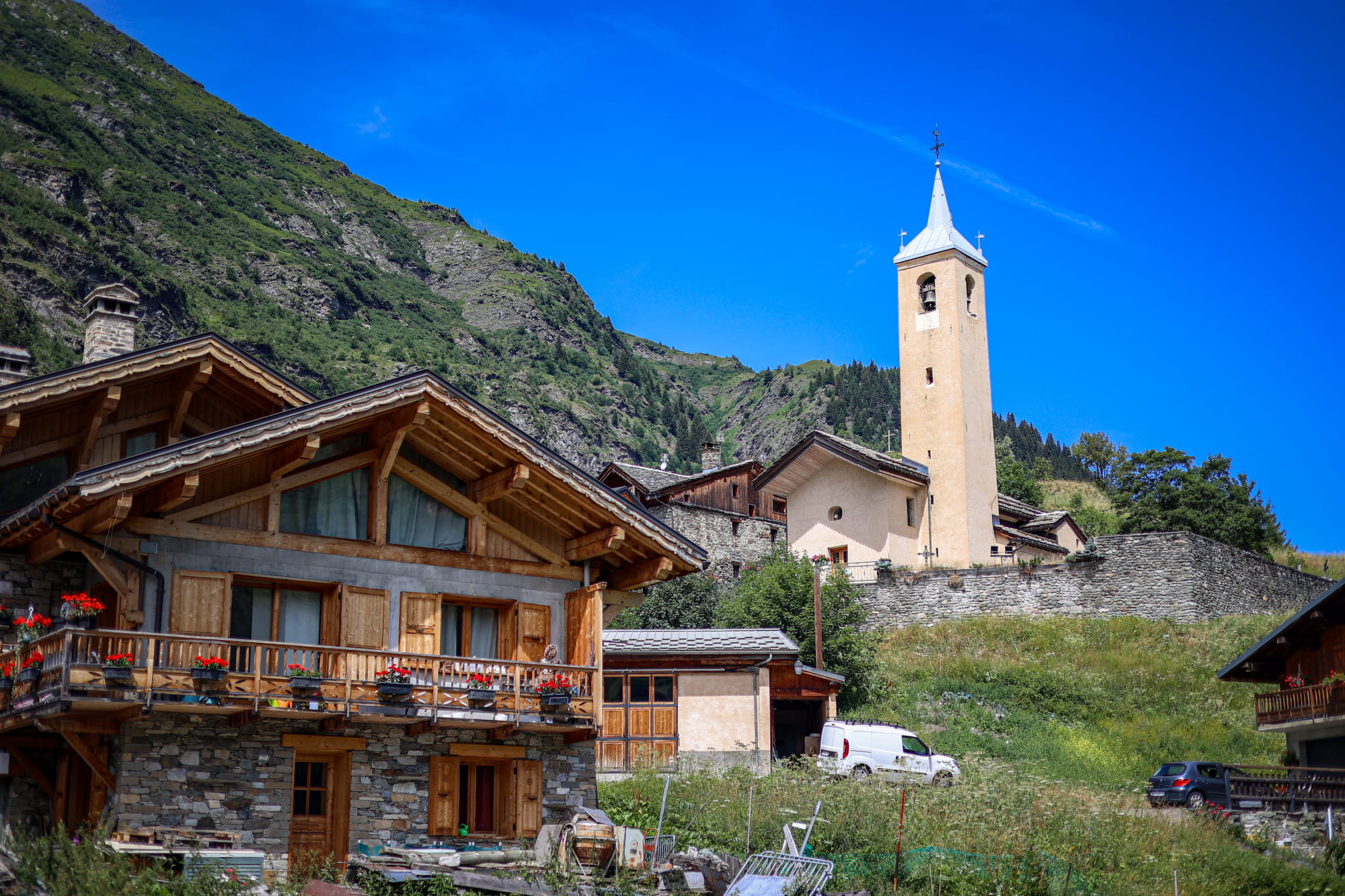
We've barely arrived when a little dog comes to greet us. Around us, the smell of cows, the continuous murmur of the fountain, and suddenly, at precisely noon, the pealing of bells echoing through the narrow streets like an unchanging ritual. Welcome to La Gurraz, one of the thirteen hamlets of Villaroger, a village where time seems to have stood still.
- READ OUR SPECIAL REPORT : Haute Tarentaise, «the roof of Savoie»
Just a few hundred metres from the Route des Grandes Alpes, used by thousands of holidaymakers heading towards Tignes and Val d'Isère, almost nobody suspects the existence of this gem.
A village suspended, facing south
Perched at an altitude of around 1,600 metres, nestled on its rocky promontory, La Gurraz faces due south, with peaks touching 3,000 metres that retain their eternal snowfields all summer long.
Above, the glacial dome of Mont Pourri watches over, from its height of nearly 3,800 metres. In the background, very far off, the silhouette of Tignes can be made out. Below, a waterfall tumbles down the Vanoise. A typically Savoyard scene, between fir trees and summits.
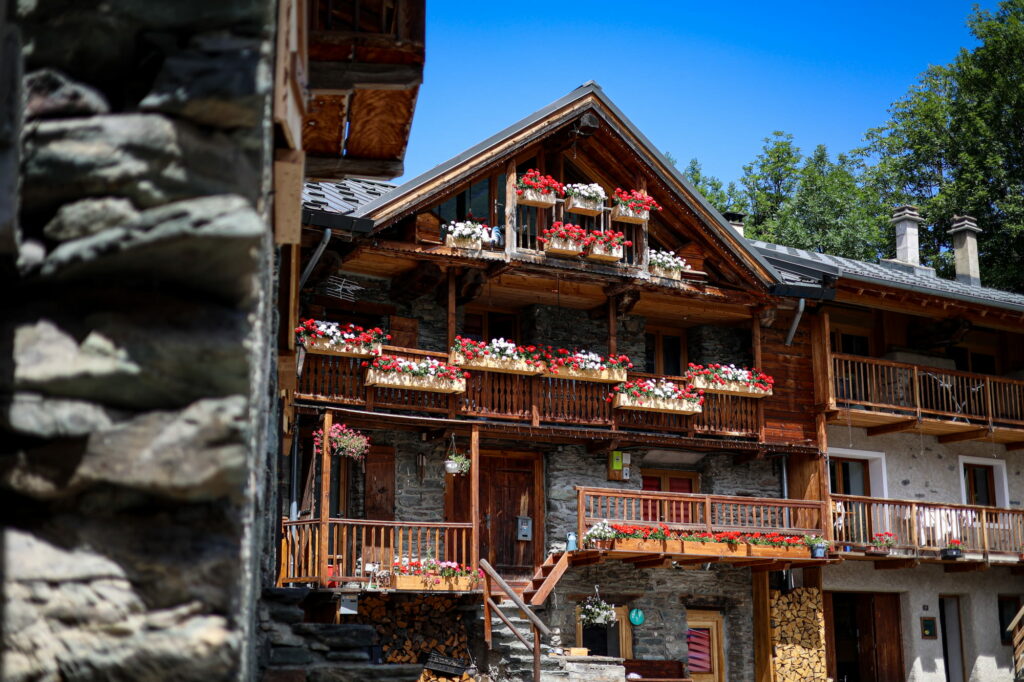
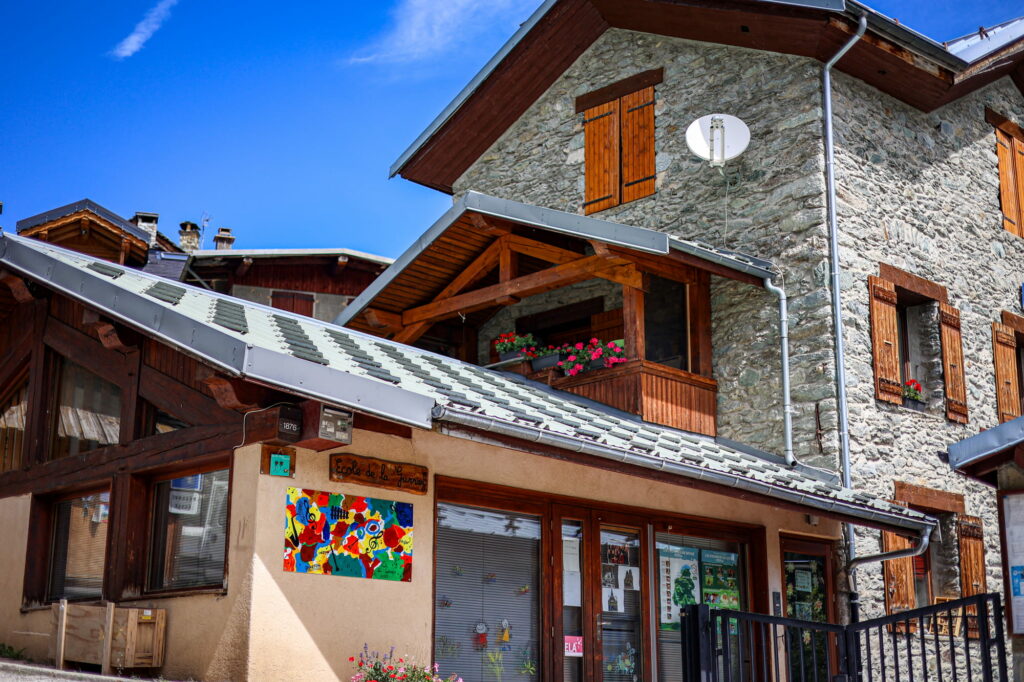
Here, freshly renovated buildings stand alongside old period structures, sometimes almost in ruins, in a harmony that lends the place its charm. Stone houses, wooden or wrought-iron balconies collapsing under red and white flowers, narrow alleyways, vegetable gardens right in the heart of the village: nothing stands out, apart from the 25-metre bell tower of Saint-Roch church.
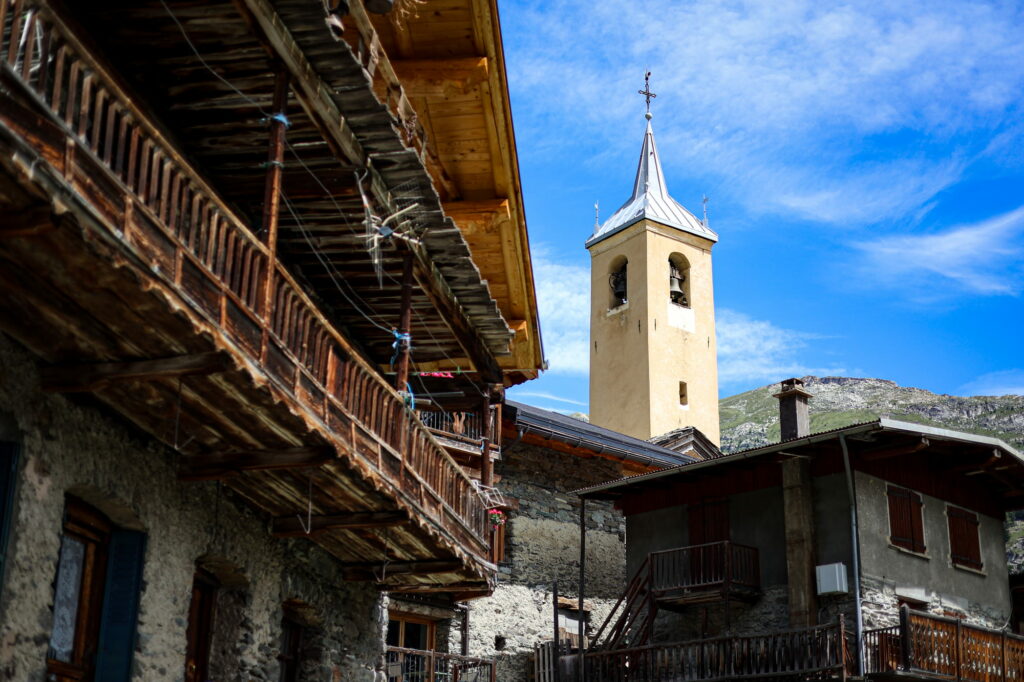
This Baroque church, built in 1714 thanks to the fortune of two brothers who made their wealth in peddling and trading in Turin, tells by itself the story of this isolated village, where they wanted to avoid the perilous descent to Villaroger to attend Mass in the middle of winter.
A handful of residents and a deep-rooted solidarity
Around sixty souls live here year-round, most of whom work at the neighbouring resorts of Tignes and Val d'Isère. A tiny village, but by no means insular. The story of La Gurraz is also one of avalanches – the last major slide, in 1990, cut the hamlet off from the outside world for four days – which forged a spirit of solidarity among the Gurrain residents, elevating it to an art of living.
It is said that even children know that at the slightest rumble coming from the mountain, they must take shelter in the nearest house and protect their airways.
This friendliness is cultivated all year round, especially around the bread festival, perpetuated by the Mont Pourri Ovens Association. Twice a year, the old 19th-century oven gets back into service for an ancestral recipe where potatoes replace some of the flour, bringing together over a hundred guests.
A school for the heart and a star's past
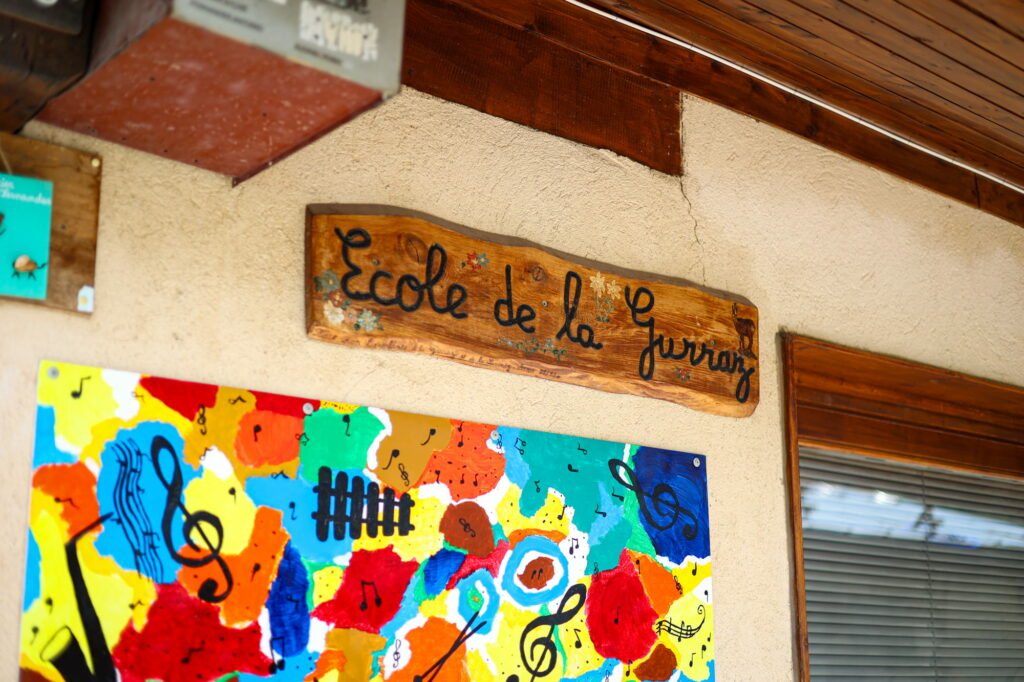
A remarkable feat for a village of this size: La Gurraz has kept its school. With only a handful of children, spread across all levels from nursery to Year 6, it is the true heart of the hamlet. So much so that a filmmaker is preparing a documentary about these small, disappearing French schools.
In a fair return for the cameras, as La Gurraz has already had its moment of glory: it was here, in the winter of 1979, that some scenes were filmed from the The tanned ones go skiing. Little known to the general public, the «Gurre» is nevertheless shown on television every winter, without anyone recognising it.
Today, with no businesses since the closure of its bar-restaurant, the village remains an ideal gateway to the hikes of Vanoise National Park, towards the Martin and Turia refuges.
No longer resounding with the roar of waterfalls or the cries of children, whose alleys serve as their playground. An absolute stillness, punctuated only by the songs of birds. A true haven of peace, out of time, right in the heart of the Haute Tarentaise.
 EN
EN  FR
FR