
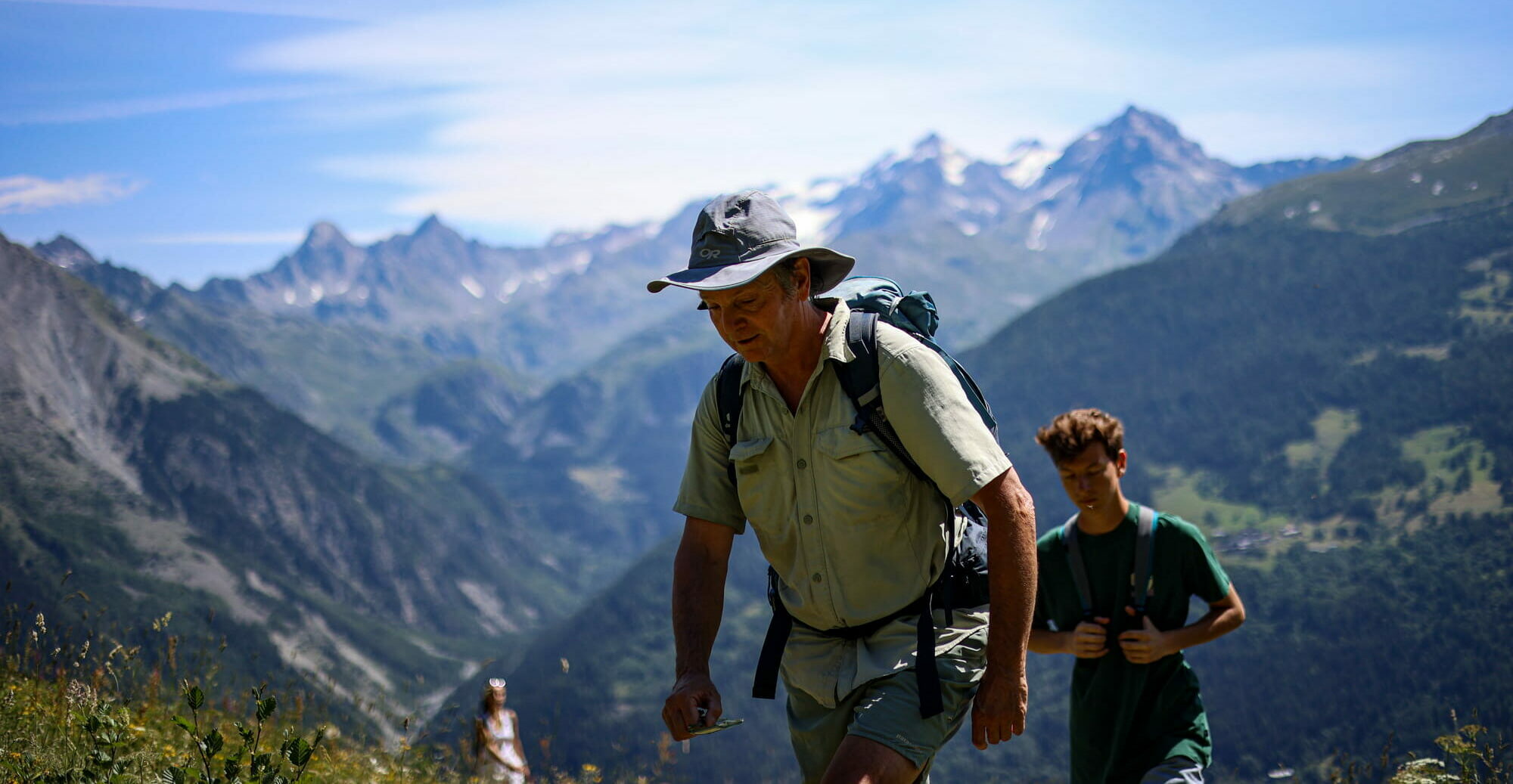
On the doorstep of the vast Les Arcs ski area, the Hauts de Villaroger National Nature Reserve unfolds over more than 1,100 hectares of forests, alpine pastures and rocky areas, from 1,250 to 3,650 metres in altitude. A wild setting that one discovers along an interpretive trail, punctuated by information panels that tell, station after station, the secrets of this small wooded kingdom.
- READ OUR SPECIAL REPORT : Haute Tarentaise, «the roof of Savoie»
The reserve has a valuable purpose: to protect the wooded areas that are lacking in the heart of the Vanoise National Park, of which it is, in a way, the forest complement. Here, red deer, roe deer, and chamois find an essential refuge on the edge of the slopes, particularly in winter.
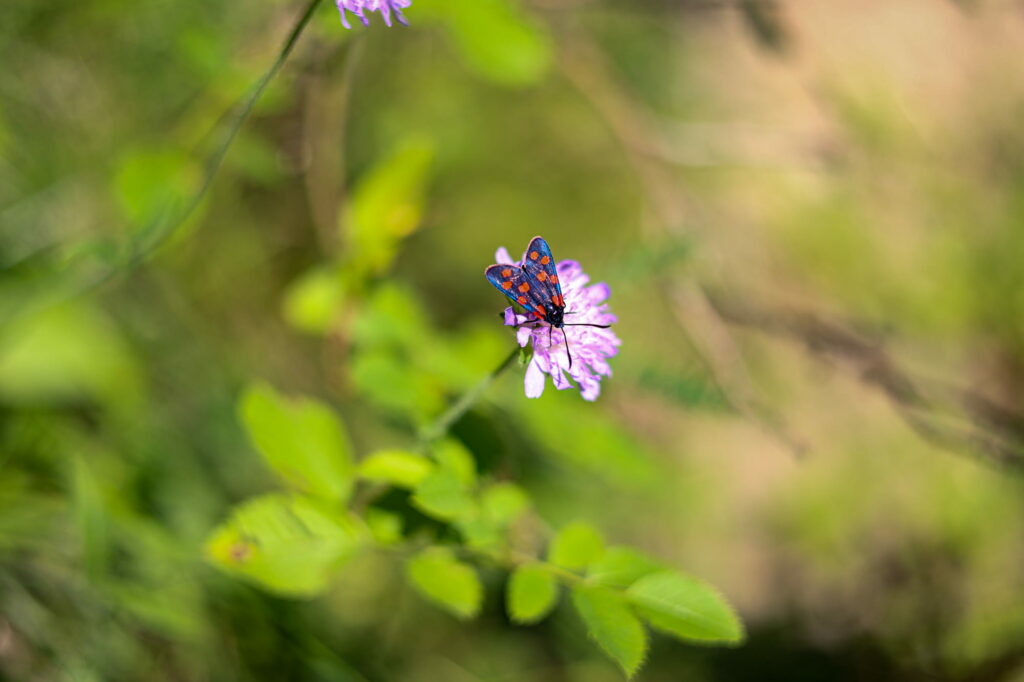
With its north-easterly aspect and impressive altitude range, the site presents a mosaic of habitats. This includes stands of young pines and larch, a pine forest dotted with rocks around 2,200 metres, stands of green alder, rhododendron heathland, alpine meadows and grazed pastures.
Higher up, the mineral world reclaims its territory – glaciers, cliffs, moraines and scree – while two lakes nestled in the moraines and a myriad of streams crisscross the landscape. This diversity is a botanist's delight. Indeed, no fewer than 475 plant species have been recorded here, including a few treasures such as the Alpine rock jasmine, the Alpine columbine, the Alpine clematis and the Piedmont primrose.
Kings of the Forest
The path first invites you to look up at the tall conifers, these «kings of the mountain forest» that share the territory between 900 and 2,000 metres. Three complementary species coexist. The larch, the only coniferous tree to lose its needles in winter after turning golden in autumn, can live for up to 500 years: a noble and emblematic wood of the Alps.
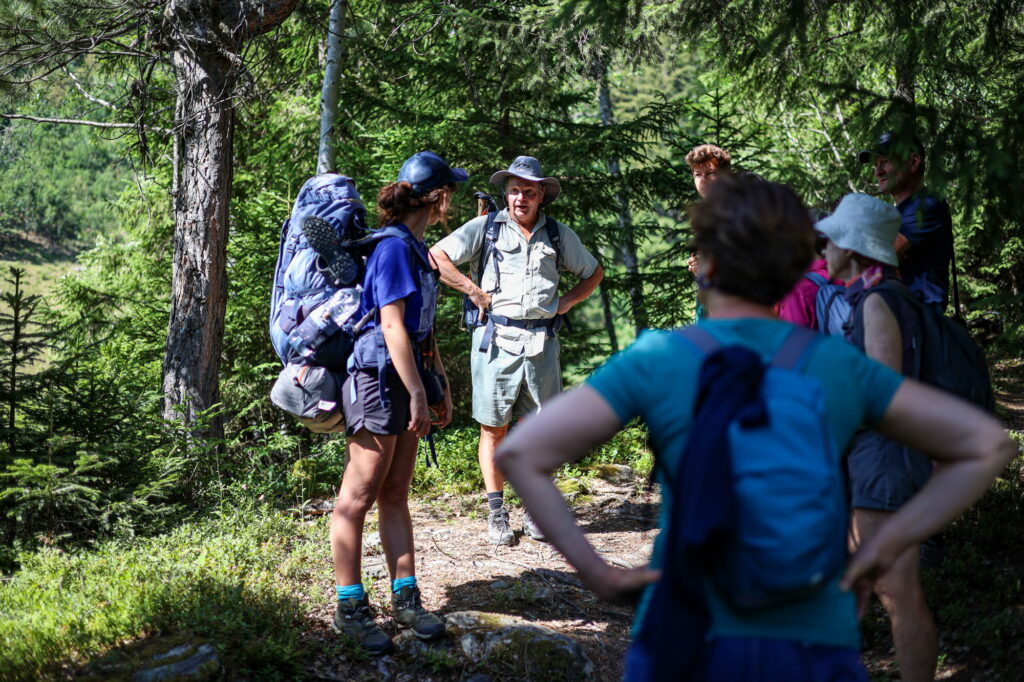
The spruce, whose name recalls the pitch that makes it so sticky, is useful for everything – from carpentry to paper to musical instruments – but fears the wind. The fir, finally, with its comb-like needles, tolerates shade and signals, by its presence, an ancient forest.
The Black Grouse, a discreet star of the area
If there is one inhabitant that makes the reserve proud, it is the black grouse. This «little moor cock», one of the mountain galliformes, finds ideal conditions and remarkable wintering grounds here. To the point of being the distinguished, yet very discreet, host of the site.
Nestled on the ground, with a menu that changes with the seasons, it shares its kingdom with other emblematic birds such as the hazel grouse, the ptarmigan, or the rock partridge. In total, some 75 bird species inhabit the reserve, from the majestic lammergeier to the tiny wallcreeper, including the red-billed chough and the spotted nutcracker.
The dead tree, a «tree of life»
The final lesson of the trail, and by no means the least: here, a dead tree is not waste. Left standing, it becomes a veritable hotel for wildlife. The black woodpecker drills its nest holes with its beak to seek out insects. After it, rare boreal owls from colder climes – the Tengmalm’s owl with its white-ringed eyes, or the minuscule, stern-faced pygmy owl – settle in to lay their eggs.
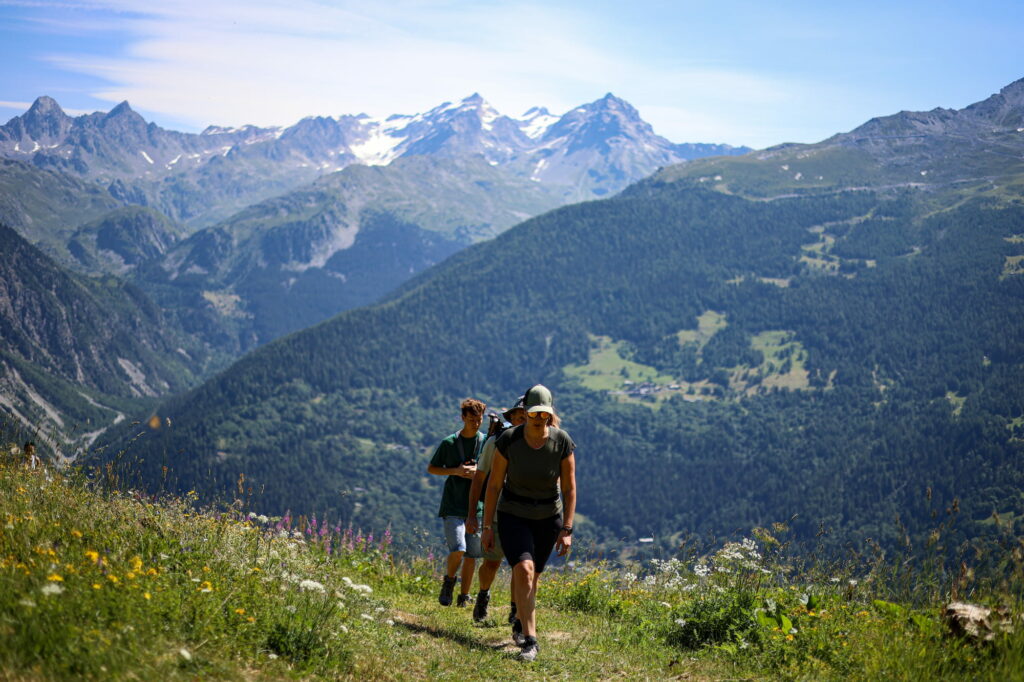
A secret exuberance that serves as a reminder that, in this preserved nature where hunting and skiing are strictly regulated, each element has its place. Ibex, mountain hares and even asp vipers complete this living tableau, to be contemplated in silence, around a bend in a path, which we recommend if you are passing through. Haute Tarentaise.
Find out more
Find all the information about summer guided tours on The Villaroger site
 EN
EN  FR
FR