
You are heading out for a hike in dense forest or preparing for a demanding outdoor trip, and your gear can no longer keep up with your ambitions. A poorly designed tactical vest, badly placed pockets, a fragile attachment system: that is how a great trip turns into a chore. Putting together a coherent modular setup is not rocket science once you understand the logic behind it. We show you how to build gear that truly suits you, item by item, choice by choice.
Understanding the MOLLE system to build a cohesive modular setup
Le MOLLE system (Modular Lightweight Load-carrying Equipment) is based on a simple principle: strips of fabric sewn in parallel rows onto a vest, chest rig or bag, which allow pouches and accessories to be attached without stitching or piercing. This MOLLE panel works like a universal grid. Each pouch has its own vertical straps that weave between the rows of the support, and then fasten with Velcro or a press stud to lock the assembly in place.
This weaving logic changes everything compared to the rigid waistcoats of another generation. You are no longer a prisoner of a factory-imposed configuration: you choose the placement of each accessory yourself, according to your body shape, your use and your movement habits. A right-handed person will not position their charger pouch in the same place as a left-hander, and a walker will not have the same priorities as an airsoft player.
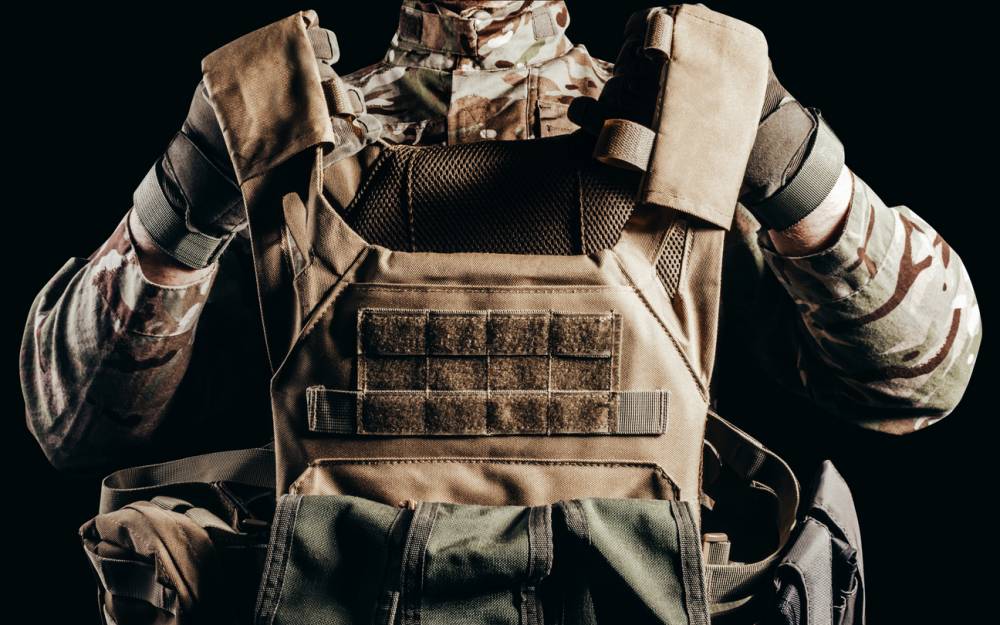
To make successful purchases and avoid nasty compatibility surprises, it is best to check that each accessory complies with the standard MOLLE before adding it to your kit. The rows must match in width and spacing, otherwise the straps will not adjust properly. A specialist shop like Operation Raptor allows for example to easily compare compatible parts and build a solid configuration right from the start, without the need for trial and error.
Choosing between a tactical vest, plate carrier, or chest rig according to your use
Three major families of media dominate the market, and each corresponds to a different logic of use. The tactical vest classic model offers a generous MOLLE surface, distributed across the front, sides and sometimes the back. It is suitable for outings where you are carrying a lot of gear over a long period, as the weight is distributed better across the entire torso.
The plate carrier itself was originally designed to take protective plates. Even without plates, its rigid structure and adjustable strap system make it a stable platform for a heavy load-out, though it gains in rigidity what it loses in freedom of movement. The chest rig, conversely, focuses on lightness and quick access: less MOLLE surface area, but reduced weight and valuable freedom of movement for anyone prioritising mobility.
The choice depends directly on your practice. Here are the criteria that should guide your decision depending on the context of use:
- For airsoft in varied terrain, a lightweight rig encourages rapid movement and frequent position changes.
- For survivalism or long-duration trips, a comprehensive tactical vest allows you to distribute water, rations and medical equipment without imbalance.
- For demanding mountain outdoors, lightness often takes precedence over maximum storage capacity, for the benefit of endurance throughout the day.
Select the pouches and pockets suited to each mission
Once the medium is chosen, everything comes down to the distribution of the pockets. The magazine pouches, firstly, designed for quick access and often positioned on the front of the vest, within easy natural reach. Utility pouches next, which are more versatile and hold a compass, torch, multi-tool or small survival gear. Medical pouches finally, generally identifiable by a cross or distinct marking, which must remain accessible within seconds, even under stress.
The logical organisation of these pouches follows a simple rule: emergency equipment is placed where the hand reaches without thinking, whereas reserve equipment can occupy peripheral areas. Many beginner practitioners make the opposite mistake, by overloading the front of the secondary pouch vest and by relegating their medical kit to their back, out of reach in the event of a real emergency.
Varying between Multicam or green colourways depending on the terrain where you operate
The choice of colour is not merely a matter of aesthetics: it directly determines the’field camouflage effectiveness. The Multicam pattern, designed to adapt to various environments (forest, rocky areas, mixed terrain), remains a reliable choice for anyone operating across changing terrain without specialising in a single biome. The Viper-type pattern, often available in several shades, appeals for its versatility and striking visual appearance, particularly appreciated in urban or semi-urban dominant setups.
Plain green, on the other hand, retains an advantage in dense woodland where uniform vegetation makes complex patterns less useful than a dark, inconspicuous colour. In desert areas, the sable or coyote tones naturally take over. The principle remains the same: the more uniform your terrain, the better a plain colour works; the more varied it is, the greater the advantage of a textured pattern such as Multicam.
Maintaining and updating your tactical setup over time
A modular equipment well maintained, it lasts significantly longer than a neglected vest. Velcro, in particular, quickly gets clogged with dust, twigs and textile fibres: regular brushing with a stiff-bristled brush restores the grip of the hook-and-loop fastener. As for the straps, they deserve a periodic check of their tension and condition, as worn webbing eventually loosens and causes a pouch to wobble at the worst possible moment.
Your setup does not need to be set in stone from your very first purchase. It evolves alongside your practical experience: you add a utility pouch after running out of storage space, you reposition the medical pouch once you are convinced it would benefit from being more accessible, and you replace a budget accessory with a more robust model after a difficult outing. This logic of gradual evolution is precisely what constitutes the strength of the MOLLE system nothing is ever definitively set in stone, everything remains adjustable over the course of the releases.
Putting together a modular tactical kit ultimately requires less theory than regular practice. By understanding how the MOLLE panel works, choosing the right gear for your specific use, arranging your pouches sensibly and adapting your colour scheme to the terrain, you can create a setup that truly suits you. Regular maintenance and gradual adjustments will do the rest: your kit will, outing after outing, become a tool perfectly calibrated to your practice.
 EN
EN  FR
FR