
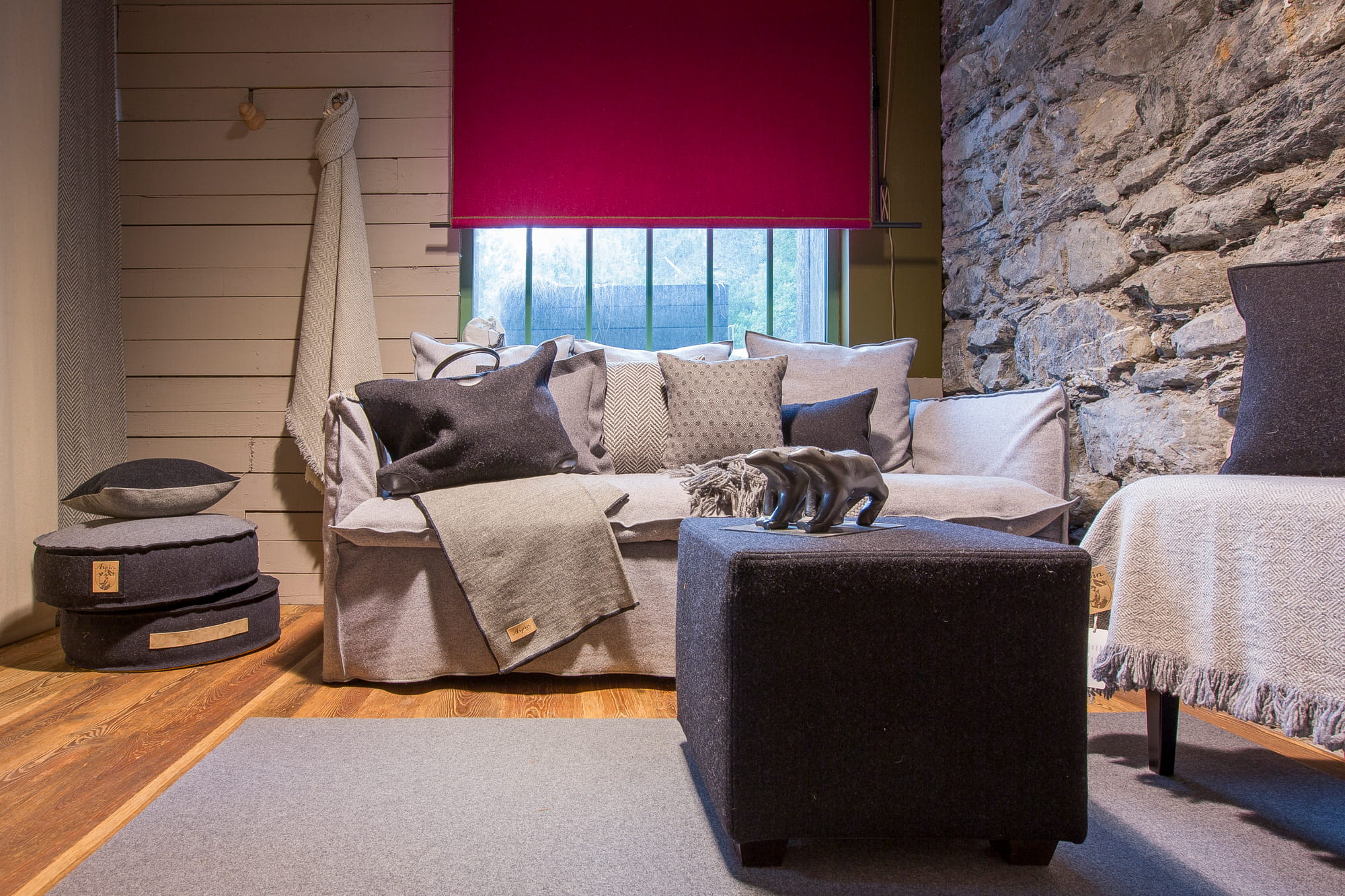
Some companies seem to be out of time. In SéezHaute Tarentaise), the spinning Arpin It has been combing and weaving wool since 1817, over two centuries of a now unique know-how. It is now the last French spinning mill to manufacture fabrics from raw sheep fleeces.
A singularity that Fernando Almeda, production director who arrived five years ago, sums up in a formula. «When a customer buys an Arpin product, they’re buying 50 % of the product and 50 % of a piece of its history.»
The raw material itself doesn't come from far away. The wool is sourced locally, in Maurienne and in Haute Tarentaise, washed in Italy, then worked in See from start to finish. «We control all the processes, right up to the installation of curtains for our clients.» Detail the person in charge.
The site is organised over two levels: spinning on the upper floor, weaving on the ground floor, while manufacturing is carried out at a second site in Albertville. At the end of the chain are interior design products (curtains, pillowcases, headboards, throws) that are rather typically chalet or hotel style.
Machines without «intelligence», and that's the whole point
The strength of’Arpin It cherishes its machinery, half of which is classified as a Historical Monument. Carding machines, bobbin winders, warping machines, combs, creels… so many pieces listed since 1999, which dictate a pace contrary to the times.
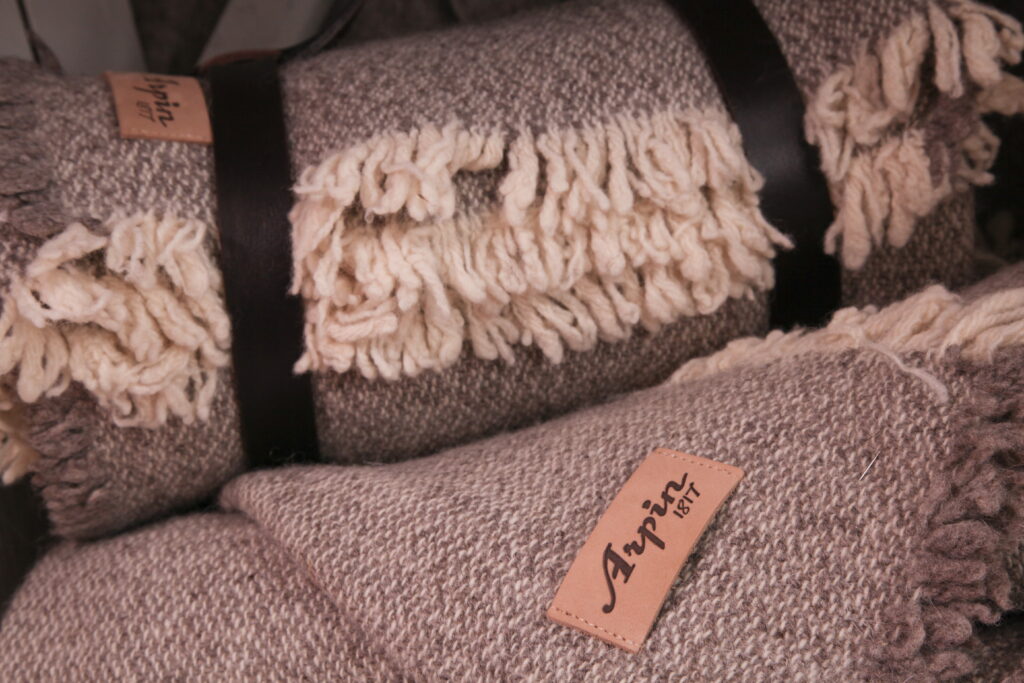
«We have slow production. There's no electronics, no intelligence. We're really on visuals, experience, and authenticity.» explain Fernando Almeda. And to warn: «If tomorrow we remove all our old machines for ultra-modern ones, the Arpin brand image will be lost. These are exclusive machines.»
Awarded the "Living Heritage Company" label, the house cultivates a high-end positioning, with a high average transaction value. Its clientele? Hotels and owners of second homes in the valley, seeking products steeped in history.
A skill that is passed down over many years
The question of long-term viability remains. At Arpin, The transmission is, first and foremost, a family affair: the eighth and final generation is still employed by the company. But it is also a painstaking process of training.
«When a new employee arrives, it’s not several months, but several years before they master the tool.» The production manager, who himself attended the Lyon weaving school before spending twenty years in technical fabrics, is highlighted.
As for competition, the house opposes it with an argument that is both its pride and its paradox: sustainability. «An Arpin product is durable, warm, and lasts through generations. Its quality is also its drawback.» Fernando Almeda smiled.
Because an object that lasts is not a consumer product. The best advertising, ultimately, is the customers themselves.
 EN
EN  FR
FR